



The project Labour and Social law and Social Work for a Resilient and Sustainable Society of the 21st Century starts from the paradigm that for an inclusive, resilient and sustainable society of the 21st century in the spheres of labour and social legislation and social work it is primarily to protect vulnerable, socially excluded and marginalized groups. The project consists of two work packages: “Labour and social law” and “Social work”. The work packages are causally connected not only by the fact that labour and social legislation has a direct and immeasurable impact on the field of social work and social activities, but also by the research team’s primary focus on specified vulnerable and excluded groups. Legal protection and appropriate treatment of vulnerable and socially excluded groups are the conditio sine qua non of building an inclusive, resilient and sustainable society. Regarding the (additional) project goals of the Labour and Social Law package, this primarily implies the analysis of (potential) new forms of discrimination against workers as a consequence of the application of new technologies; protection of the dignity of workers, especially those from the domain of vulnerable and socially excluded categories; detecting deficiencies in anti-discrimination regulations and difficulties in protecting workers’ rights; analysing the role of language and cultural integration among foreign workers, but also detecting various exploitative practices to which workers are exposed in the processes of relocation of production processes, enjoyment of freedom of movement, etc. Additional objectives of the Social Work package are focused on factors that contribute to withdrawal and dropout from studies among undergraduate students; sociodemographic characteristics of foster children, experiences of the school environment, school attachment and behavioural problems, as well as their impact on school success and mental health of children in care; analysis of patterns of peer electronic violence among adolescents and their connection with academic, psychological and social goals, but also on current work models and possibilities for improving support for older people, people with disabilities and their families. In conditions of pronounced social (and climate change), migration and demographic trends, and the application of new (digital) technologies, these are topics that are not only provocative in research, but must be the focus of relevant stakeholders on the basis of scientific elaboration and foundation. The aim of the project is to raise the level of scientific excellence in the subject area and offer potentially applicable solutions and normative modus de lege ferenda. The methodological approach is determined by the interdisciplinary composition of the research team and primarily reflects methodological pluralism.
Project leader:
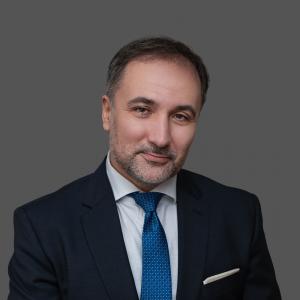
prof.dr.sc. Mario Vinković
Members of the research team of WP Labour and social law:

izv.prof.dr.sc. Anton Petričević
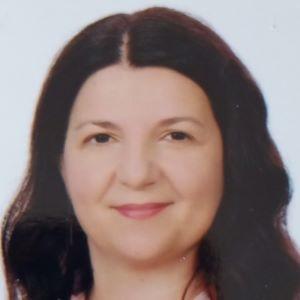
doc.dr.sc. Dragana Bjelić Gaćeša
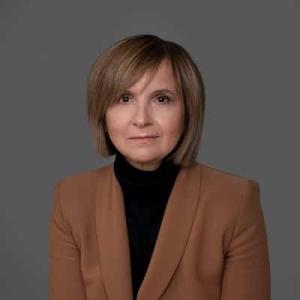
izv.prof.dr.sc. Dubravka Papa
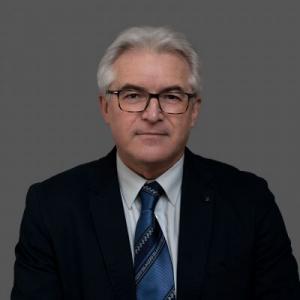
Željko Rišner, prof.

Marinela Boras
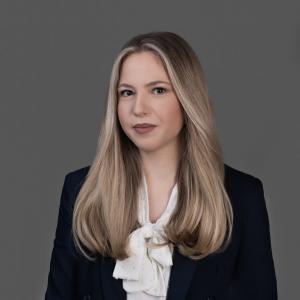
Tena Konjević, mag. iur.
Members of the research team of WP Social work:
Leader of the WP Social work:
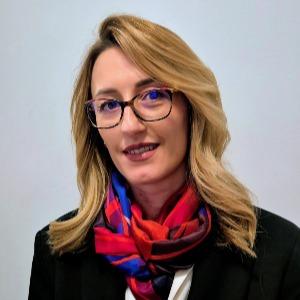
doc.dr.sc. Mateja Marić
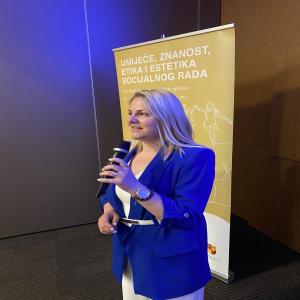
doc.dr.sc. Anita Barišić
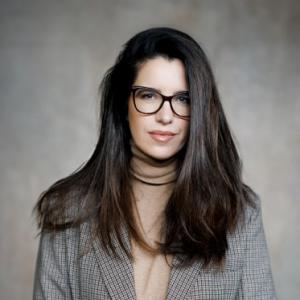
doc.dr.sc. Dinka Caha

dr.sc. Petar Šajfar
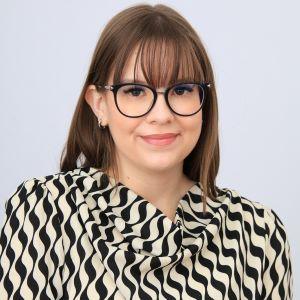
Nikol Bogdan, univ. mag. act. soc.

Lara Rašić
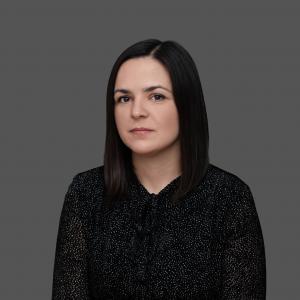
Suzana Tomašević
prof.dr.sc. Mario Vinković
Funded by the European Union – Next Generation EU. However, the views and opinions expressed are solely those of the author(s) and do not necessarily reflect those of the European Union or the European Commission. Neither the European Union nor the European Commission can be held responsible for them.