


Dynamic changes, including geopolitical crises, armed conflicts, climate change, migration flows, digital transformation, the rise of populist movements, and the weakening of the institutions of the rule of law, mark the contemporary world. All these phenomena directly affect the universal enjoyment of human rights and further exacerbate the position of minority groups. Given their multidimensional nature, the protection of human rights represents not only a legal but also a moral and political issue. The importance of human rights today is reflected not only in preventing negative actions by the state but also in building a just society. The stagnation and deterioration of human rights occur not only in authoritarian regimes but also in Western liberal democracies.
The Project aims primarily to advance and enrich Croatian scholarship through the study of contemporary challenges in human rights protection. This includes identifying these challenges, analyzing them, determining the factors contributing to their emergence, and formulating de lege ferenda proposals for appropriate normative and institutional responses. Given the nature of the issues involved, an interdisciplinary approach to human rights protection is essential. Therefore, the Project brings together experts from various legal fields—constitutional law, international law, private international law, and the theory of law and state—as well as from social work. The objective of the Project is to ensure the synergistic integration and exchange of research results within a set of selected thematic areas related to human rights protection.
Project leader:

prof.dr.sc. Ivana Tucak
Researchers:
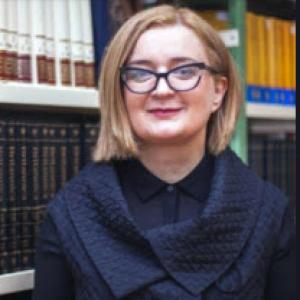
prof.dr.sc. Mira Lulić

prof.dr.sc. Mirela Župan

prof.dr.sc. Anita Blagojević

izv.prof.dr.sc. Paula Poretti
Leader of WP 1 Research
Leader of WP 3 Dissemination:
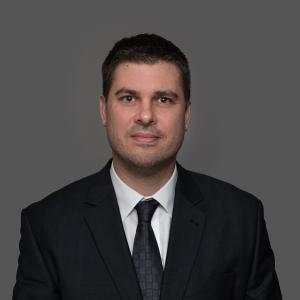
izv.prof.dr.sc. Davor Muhvić
Leader of WP 3 Dissemination

Martina Drventić Barišin
Leader of WP 2 Training (Conferences and Education)

dr.sc. Gordana Horvat

mr.sc. Vesna Širić

Ivica Pavić, mag. iur.
External members of the research team:
Full professor Igor Milinković
Sanda Pašuld
Ivana Rešetar Čulo
Teacher from University of Ljubljana, Faculty of Law, Chair on Civil Law
prof.dr.sc. Ivana Tucak
Funded by the European Union – Next Generation EU. However, the views and opinions expressed are solely those of the author(s) and do not necessarily reflect those of the European Union or the European Commission. Neither the European Union nor the European Commission can be held responsible for them.